
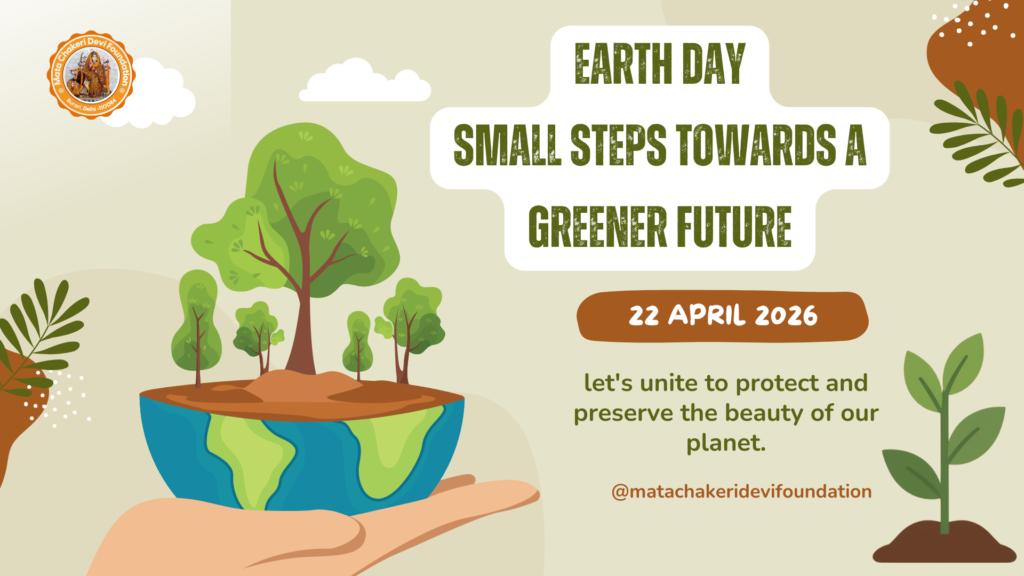
Every year on April 22, people across the globe come together to celebrate Earth Day—a day dedicated to raising awareness about environmental protection and encouraging sustainable practices. While large-scale policies and global agreements play an important role, the true power of change lies in small, consistent actions taken by individuals and communities.
In a world facing challenges like climate change, pollution, and resource depletion, it is easy to feel overwhelmed. However, the idea behind Earth Day reminds us that even the smallest steps, when taken collectively, can lead to a greener and healthier future.
Why Small Steps Matter
When we think about environmental protection, we often imagine large initiatives—massive tree plantation drives or global climate agreements. While these are essential, they cannot succeed without everyday participation.
Small actions such as switching off unused lights, reducing plastic use, or conserving water may seem insignificant individually, but when practiced by millions, they create a powerful impact. For example, reducing single-use plastic not only decreases waste but also protects marine life and reduces pollution. Similarly, saving electricity helps lower carbon emissions, contributing to the fight against global warming.
The Role of Individuals in Sustainability
Sustainability begins at home. Every individual has the ability to make choices that positively impact the environment.
Here are some simple habits that can make a difference:
- Carry reusable bags instead of plastic ones
- Use water wisely and fix leaks promptly
- Avoid food wastage
- Choose public transport, cycling, or walking when possible
- Switch to energy-efficient appliances
These actions not only help the environment but also promote a more mindful and responsible lifestyle.
Waste Management: A Simple Yet Powerful Step
One of the biggest environmental challenges today is improper waste management. Overflowing landfills and plastic pollution are harming ecosystems and human health. Segregating waste at home into biodegradable and non-biodegradable categories is a simple yet effective step. Recycling materials like paper, plastic, and metal reduces the need for new resources and minimizes waste.
Composting kitchen waste is another great way to reduce garbage while creating natural fertilizer for plants. These small actions can significantly reduce the burden on the environment.
Community Efforts: Stronger Together
While individual efforts are important, community participation amplifies impact. Cleanliness drives, tree plantation campaigns, and awareness programs bring people together for a common cause.
In many parts of India, initiatives aligned with Swachh Bharat Abhiyan have shown how collective action can transform neighborhoods and cities. When communities work together, they not only improve their surroundings but also inspire others to join the movement.
Planting Trees: A Gift to the Future
Trees are essential for life. They provide oxygen, improve air quality, conserve water, and support biodiversity.
Planting a tree may seem like a small act, but its impact lasts for decades. Even nurturing plants at home or in local areas contributes to environmental sustainability. Urban areas, in particular, need more green spaces to combat pollution and rising temperatures. Encouraging tree plantation and protecting existing greenery are crucial steps toward a greener future.
Water Conservation: Every Drop Counts
Water is one of the most precious resources on Earth, yet it is often taken for granted. With increasing demand and shrinking freshwater sources, water conservation has become more important than ever.
Simple practices like turning off taps while brushing, using buckets instead of showers, and harvesting rainwater can make a big difference. By valuing every drop, we not only conserve water but also ensure its availability for future generations.
Energy Conservation for a Sustainable Future
Energy consumption is directly linked to environmental impact. The more energy we use, the more natural resources are consumed and the higher the carbon emissions. Switching to LED bulbs, unplugging devices when not in use, and using renewable energy sources like solar power are effective ways to reduce energy consumption. These small changes not only help the planet but also reduce electricity bills, making them beneficial for both the environment and households.
Small Steps That Lead to Big Change
It is important to remember that sustainability is not about perfection—it is about progress. No action is too small when it comes to protecting the planet.
Imagine a world where:
- Every household reduces waste
- Every individual conserves water and energy
- Every community participates in cleanliness drives
- Every organization supports environmental initiatives
This collective effort can transform our planet into a cleaner, greener, and healthier place.
Make Every Day Earth Day
Earth Day is not just a one-day event—it is a reminder of our ongoing responsibility toward the planet.
By taking small, consistent steps, we can create a big impact. Whether it is reducing waste, conserving resources, or spreading awareness, every effort counts. Let us pledge to make sustainability a part of our daily lives. Because a greener future is not built overnight—it is created through small actions taken every day.
Together, we can protect our planet and ensure a better tomorrow for generations to come.